

What is Voicification?
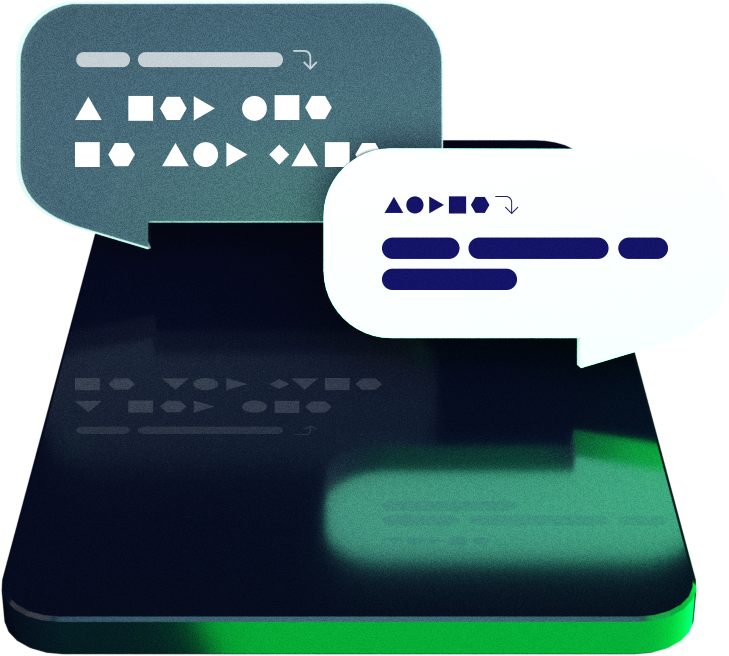
Voicification is the process of converting an existing chatbot into a voicebot that handles telephone calls. Rather than building a voice solution from scratch, voicification adds voice capabilities to chatbot platforms that organizations have already invested in—extending their automation to the phone channel without modifying their existing infrastructure.
How does Voicification Work?
The voicification process follows five steps:
-
Call Reception: An incoming call connects to the voicification platform via SIP or PSTN
-
Speech Recognition: The platform converts spoken words into text using a Speech-to-Text (STT) engine
-
Chatbot Processing: The transcribed text routes to the existing chatbot, which generates a response using its trained logic
-
Text-to-Speech Conversion: The chatbot's text response converts to natural-sounding speech with minimal latency
-
Extended Actions: The voicebot can transfer calls to human agents, send follow-up messages, or update CRM records
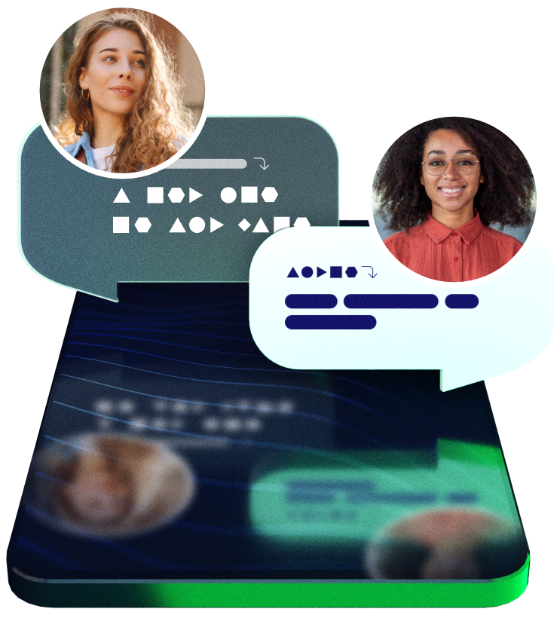
This architecture means the chatbot's conversational intelligence stays intact. The voicification layer simply translates between voice and text, allowing one conversation design to serve both channels.
Voicification vs Building a Voicebot From Scratch
Organizations that want voice automation face two paths:
Building a voicebot from scratch
- Requires separate conversation design for voice
- Needs integration with STT, TTS, and telephony systems
- Duplicates work already done on the chatbot
- Takes 6-12 months for enterprise deployments
Voicifying a Chatbot
- Uses existing chatbot logic and integrations
- Adds a translation layer between voice and text
- Maintains consistency between chat and phone channels
- Deploys in 2-6 weeks
What is the Difference Between a Voicebot and a Chatbot?
A chatbot communicates through text. Users type messages and receive written responses, typically through website chat widgets, WhatsApp, or messaging apps.
A voicebot communicates through speech. Users speak naturally and receive spoken responses, typically over telephone calls or voice assistants.
The key technical differences:
| Feature | Chatbot | Voicebot |
| Input | Typed text | Spoken words |
| Output | Written text | Synthesized speech |
| Channel | Chat, messaging apps | Phone, voice assistants |
| Technology | NLP/NLU | NLP/NLU + STT + TTS |
| Interaction style | Asynchronous | Synchronous, real-time |
Benefits of Voicification
For organizations with existing chatbots, voicification offers several advantages
-
24/7 Phone Availability
Voicebots answer calls immediately, eliminating hold times and after-hours gaps. Customers get instant service regardless of when they call.
-
Operational Efficiency
Organizations using voicification typically automate 40% of their phone calls. This reduces agent workload without sacrificing service quality.
-
Reduced Transfer Errors
Voicebots gather customer information and intent before routing to agents, reducing misdirected transfers by up to 80%.
-
Omnichannel Consistency
One conversation design serves both chat and voice. Customers receive the same answers and experience regardless of how they contact the organization.
-
Faster Time to Market
Voicification platforms deploy in 2-6 weeks, compared to 6-12 months for building a voicebot from scratch.
-
Lower Total Cost of Ownership
Reusing existing chatbot logic, integrations, and training data means less development cost and ongoing maintenance.
Who Uses Voicification?
Voicification is most common among:
How to Implement Voicification
The implementation process typically follows these steps:
-
Assess the existing chatbot: Review conversation flows, integrations, and automation coverage to determine voice readiness
-
Connect telephony: Integrate with the organization's phone system via SIP trunk or PSTN connection
-
Configure speech engines: Select and tune STT and TTS engines for the organization's languages and use cases
-
Test and optimize: Run pilot calls to identify gaps in conversation design and speech recognition
-
Launch and monitor: Deploy to production with dashboards for call analytics and continuous improvement
The timeline depends on chatbot maturity and integration complexity, but most organizations go live within 2-6 weeks.
FAQ
What is voicification?
Voicification is the process of converting an existing chatbot into a voicebot that handles telephone calls. It adds speech-to-text and text-to-speech capabilities to chatbot platforms, enabling them to interact with customers over the phone using the same conversational logic they already use for text-based chat.
How do you turn a chatbot into a voicebot?
To turn a chatbot into a voicebot, you connect it to a voicification platform that handles the translation between voice and text. The platform receives phone calls, converts speech to text using STT engines, sends that text to your chatbot for processing, and converts the chatbot's response back to speech using TTS engines. This approach preserves your existing chatbot logic while adding voice capabilities.
What is the difference between voicebot and chatbot?
A chatbot uses text for communication—users type messages and receive written responses through websites or messaging apps. A voicebot uses speech—users speak naturally and receive spoken responses over phone calls. Voicebots require additional technology (speech-to-text and text-to-speech) on top of the natural language processing that chatbots use.
How long does voicification take to implement?
Voicification typically takes 2-6 weeks to implement, depending on the complexity of existing chatbot integrations and telephony requirements. This is significantly faster than building a voicebot from scratch, which can take 6-12 months for enterprise deployments.
What percentage of calls can a voicebot handle automatically?
Organizations using voicification typically automate 40% of their phone calls. The exact percentage depends on call types, conversation design, and integration with backend systems. Voicebots handle routine inquiries automatically while transferring complex issues to human agents.
Does voicification work with any chatbot platform?
Voicification platforms are designed to be system-agnostic, integrating with most major chatbot platforms through APIs. The platform acts as a translation layer, so it works as long as the chatbot can receive text input and return text output. Specific integrations may vary by provider.
What languages does voicification support?
Modern voicification platforms support 110+ languages through integration with multiple translation and STT and TTS engines. Some platforms also include real-time translation capabilities, allowing a voicebot trained in one language to serve customers in another.
Ready to Voicify your Chatbot?