


Why we do what we do
Seamly has evolved over the years, but the principle behind it has stayed the same: complex technology should be practical to use. Today, we apply that principle to telephony, giving technical teams the infrastructure to connect their software and AI agents to calls.
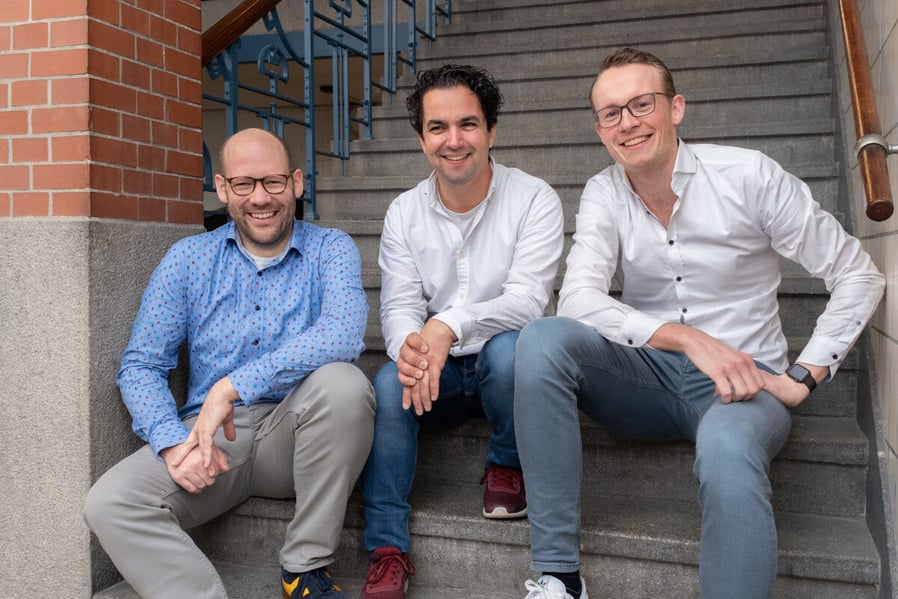
Seamly’s story started in 2017, when Endre Davids founded Conversationals, a consultancy focused on digital customer service.
One of the first major projects was with KPN. It was there that Endre met Bram Lenten, who was responsible for digital customer service. They shared plenty of ideas about how customer interactions could work better. There was just one recurring problem: good ideas were often easier to propose than to turn into working technology.
So they started building.
Flurin Egger joined in 2018, adding the technical expertise to turn those ideas into software. As the team worked with more customers, parts of the technology could be reused. That became the foundation of the Seamly platform.
The early Seamly platform connected different parts of the customer service landscape, including live chat, bots, telephony and other systems. Over time, one area increasingly stood out: voice. Connecting software to telephony brought its own technical challenges, from telephone infrastructure and real-time audio to STT, TTS and call handling.
That experience shaped what Seamly is today.
We now focus on the infrastructure layer between software and telephony. Through our APIs, technical teams can connect their own applications and AI agents to telephone calls while keeping control of their application and call flows.
Our role has changed as the technology around us has changed. The thread running through Seamly has remained remarkably consistent: turning specialist communication technology into infrastructure that technical teams can actually work with.
Mission & Vision
Mission
Make voice a natural and seamless part of how people interact on the phone with organisations.
Vision
Organisations should be able to connect their technology to telephony with the same level of control they expect from modern software infrastructure. We want Europe to have a strong, accessible infrastructure layer, giving technical teams the freedom to build voice experiences on their own terms.